
 admin

Learning how to clean and rotate a mattress starts with checking what its materials and construction can tolerate. Gentle surface cleaning helps remove loose debris, while rotation, when recommended, can distribute regular wear. Following the care label is more important than using the same routine for every bed.
Plan for about 10 minutes of hands-on cleaning, with extra time for baking soda to work and any damp areas to dry. Have a vacuum with a clean upholstery attachment, baking soda if permitted, and clean cloths ready before removing the bedding.
Before You Clean and Rotate a Mattress
Remove the sheets, protector, and other removable covers to expose the sleeping surface. Check the manufacturer’s instructions for approved cleaning methods, rotation guidance, and any restrictions on cleaning products.
Clear nearby furniture and items from the floor before moving the mattress. Ask someone to help if its weight or size makes repositioning awkward; avoid dragging it or attempting an uncomfortable lift.
Rotate Only When the Design Allows It

For a mattress that permits rotation, turn it 180 degrees so the head end moves to the foot of the bed. Keep the sleeping surface facing upward throughout the move.
This changes the areas that receive the most consistent pressure and may help distribute wear. Use the recommended rotation interval for your particular mattress rather than assuming a universal schedule.
Understand the Difference Between Rotating and Flipping
Flipping turns the underside into the sleeping surface, which is appropriate only for mattresses designed for use on both sides. A one-sided mattress may not provide its intended comfort or support when upside down. If the label is unclear, confirm the design before turning it over.
Vacuum the Surface and Seams
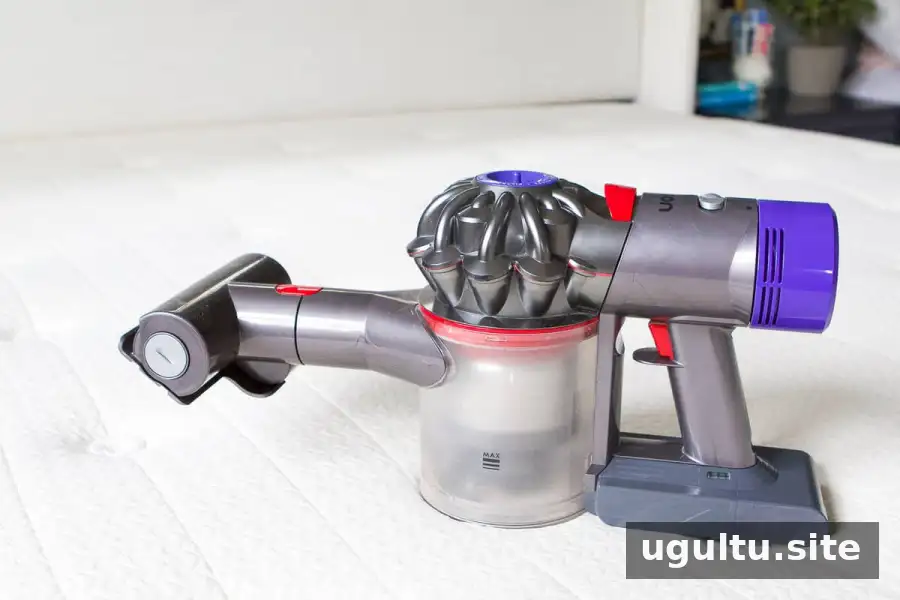
Using the upholstery attachment, vacuum slowly across the top in overlapping passes. Pay particular attention to seams, edges, and corners where loose particles can collect.
Vacuum accessible sides as well, but do not lift or lean across the mattress in an unsafe position. Keep the attachment clean and use gentle pressure on delicate fabric. Surface vacuuming does not replace any specialized cleaning the manufacturer requires.
Freshen a Dry Mattress with Baking Soda
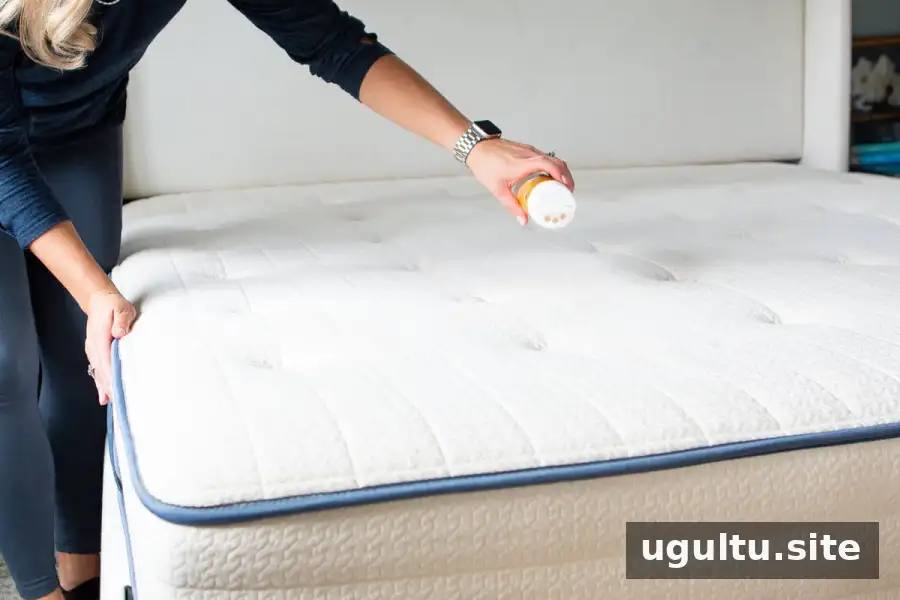
If the care instructions permit baking soda, distribute a thin, even layer over the dry sleeping surface. Allow it to remain for at least 30 minutes to help absorb odors.
Use only a light coating so it can be removed easily. Keep powder away from damp patches, and remember that odor treatment does not replace cleaning the source of a spill or stain.
Remove All Remaining Baking Soda
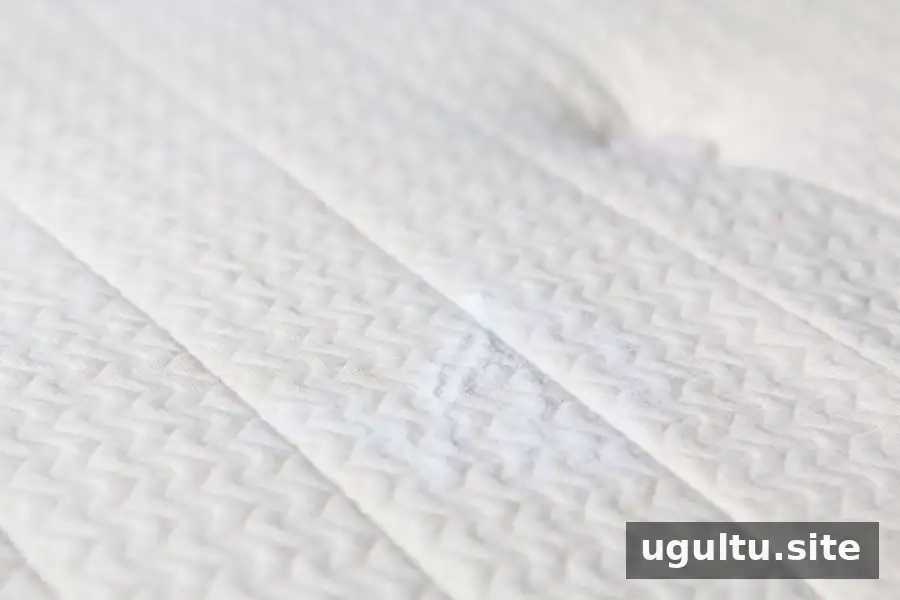
Vacuum the treated surface again, moving methodically until no visible powder remains. Make another pass along stitching and edges, where residue may be harder to collect.
Check the fabric before replacing any covers. If an area feels damp, keep the mattress uncovered and improve airflow until it has dried completely.
Spot-Clean Stains with Minimal Moisture

Choose a stain treatment only after checking the mattress care instructions. Test any approved solution on a hidden area first, and avoid pouring liquid directly onto the fabric.
- Prepare an appropriate cleaner: A few drops of mild dish soap mixed with warm water may be suitable. Equal parts water and white vinegar may be another option for tougher marks, but only when compatible with the mattress material.
- Blot gently: Lightly dampen a clean cloth and dab the stain without scrubbing. Excessive rubbing can spread the mark or push it deeper into the cover. Never saturate memory foam or other foam mattresses.
- Let the area dry thoroughly: Leave bedding off while the treated patch dries. A fan or an open window can support airflow, where practical.
If stain treatment is needed, complete it before applying baking soda to that area, and wait until the fabric is fully dry.
Use a Washable Mattress Protector

A removable protector adds a washable barrier between the mattress and everyday dust, perspiration, and spills. Follow its separate laundry instructions, and inspect it for tears or other damage when changing the sheets.
Consider a waterproof protector for children’s beds or situations where spills are more likely. Put it back on only when both the protector and mattress are completely dry.

Check Pillow Care at the Same Time

Pillows need care suited to their filling and construction. Read each label individually, and inspect removable covers for staining or wear while the bed is stripped.
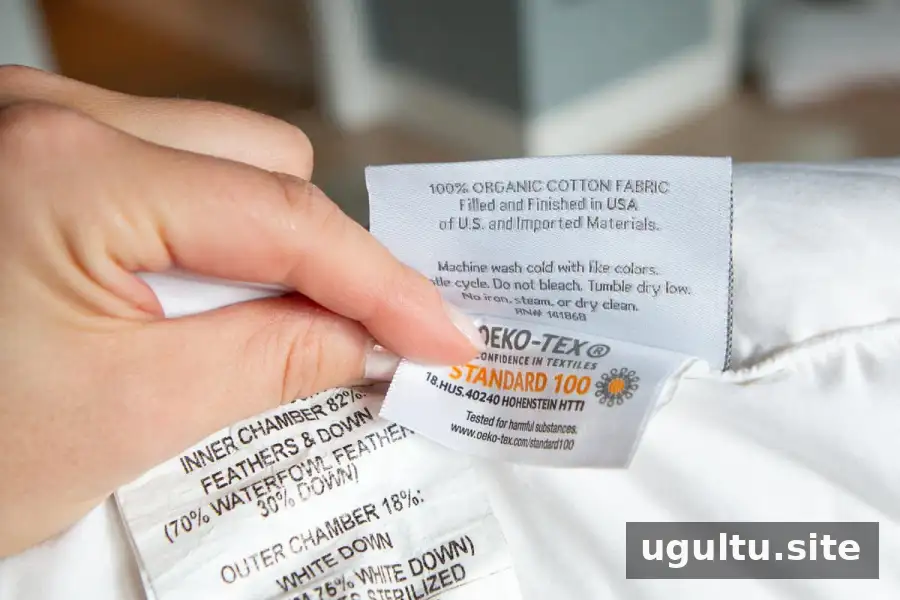
- Check before machine washing: Wash only pillows whose labels permit it, using the specified settings and a mild detergent. An extra rinse may help remove detergent residue.
- Keep foam from becoming saturated: Memory foam pillows generally require spot cleaning instead of machine washing. Use a barely damp cloth and follow the care instructions.
- Dry the entire pillow: Use only an approved drying method and check that the filling is fully dry before use.
- Add removable protection: A washable pillow protector makes routine surface care easier.
Plan Regular Mattress Maintenance

Set a reminder every six months to inspect the mattress, vacuum accessible surfaces, and check pillow-care needs. Treat this twice-yearly check as a starting point, adjusting it for household conditions and the manufacturer’s recommendations.

During each inspection, look for damaged covers or protectors and address suitable stains promptly. Keep rotation on the schedule specified for the mattress, even if it differs from your general cleaning reminder. Follow any separate requirements for professional care.
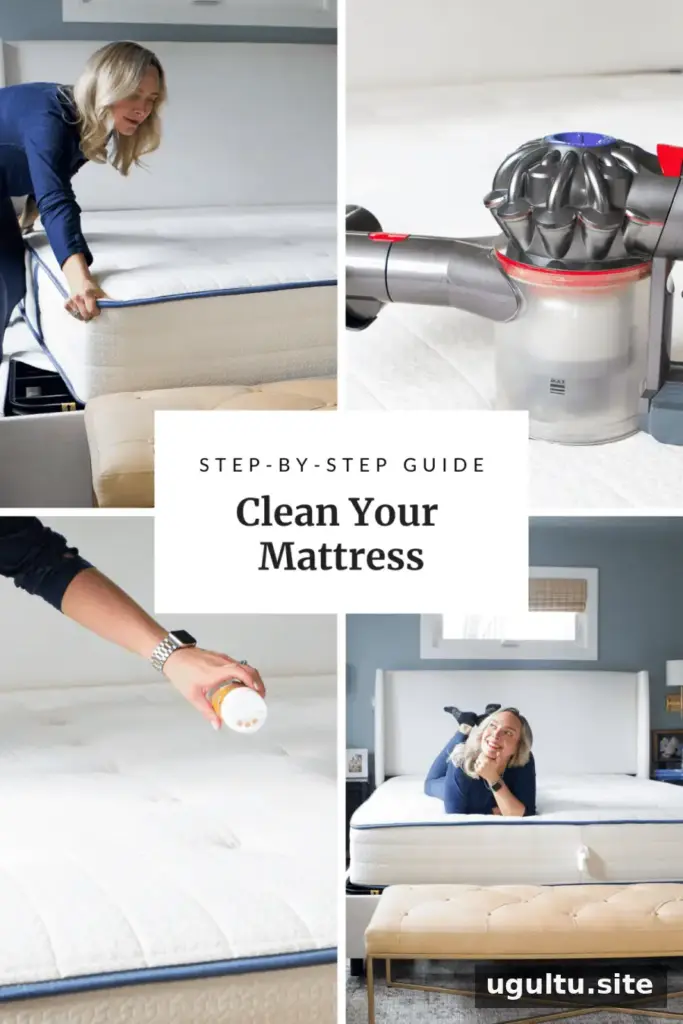
To clean and rotate a mattress effectively, follow its care instructions, remove loose debris gently, and keep moisture to a minimum. Rotate only when permitted, flip only double-sided designs, and wait for every cleaned item to dry before making the bed.