 admin

A home emergency kit gives your household a reliable supply of essentials when storms, flooding, power failures, or other disruptions interrupt daily life. Preparing in advance can make it easier to remain at home safely or gather what you need when authorities order an evacuation.

During a widespread emergency, help may take time to arrive. Accessible supplies and a shared communication plan can reduce last-minute decisions while your family follows official instructions.
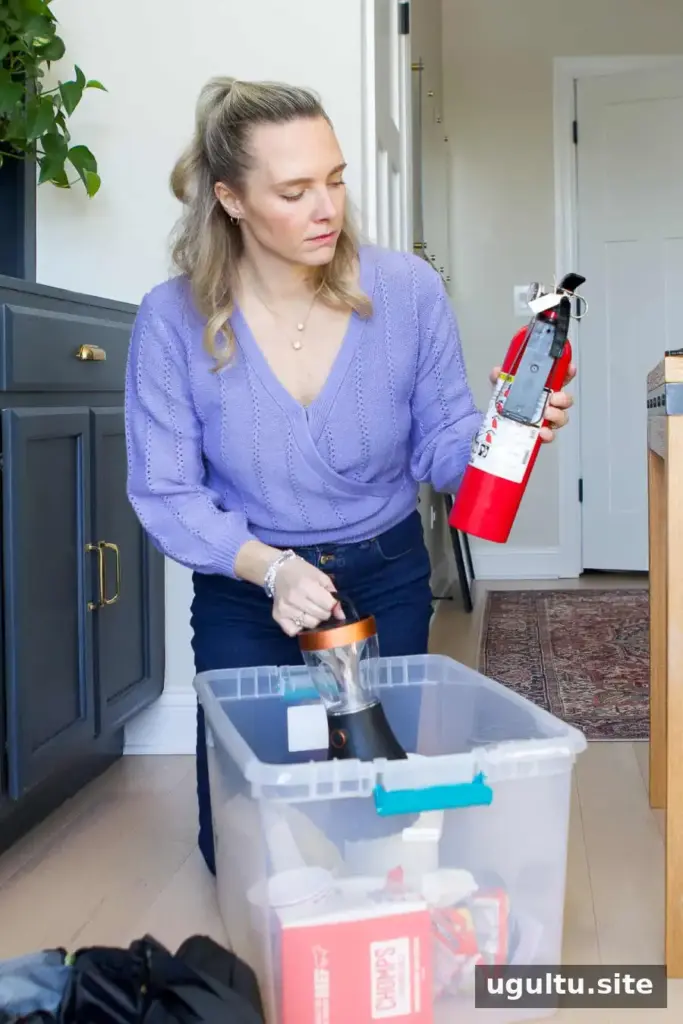
Begin with necessities you already have, then fill the gaps according to local risks and your household’s needs. Check local emergency guidance before deciding what to store and where to keep it.
Choose the Right Home Emergency Kit Setup
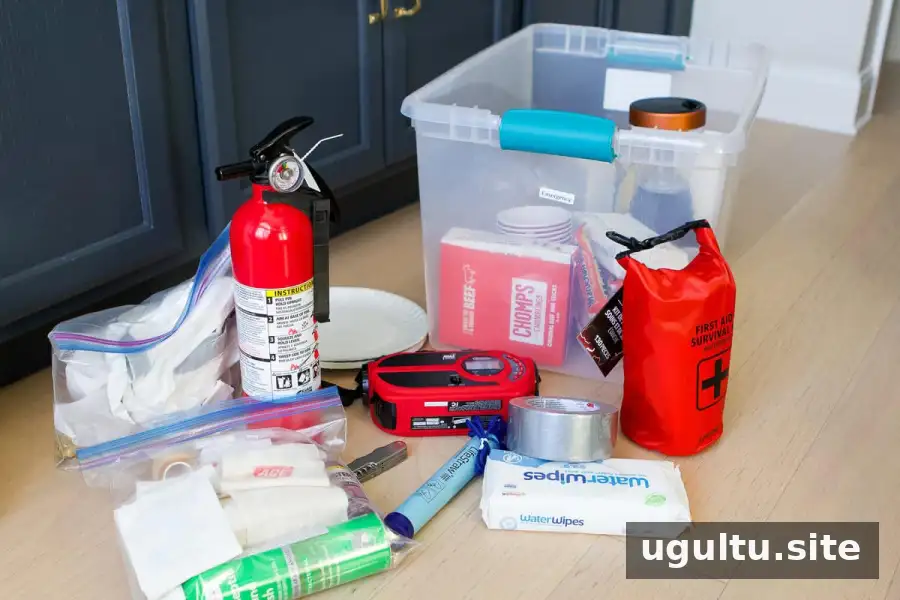
Emergency supplies serve different purposes depending on where you are and whether you need to move. Organizing them into three groups helps keep each collection practical:
- Home supplies: Food, water, and equipment for disruptions that require you to stay indoors or shelter in place.
- A go bag: Portable essentials that can leave with you during an evacuation.
- Vehicle supplies: Items for unexpected delays, breakdowns, or being stranded away from home.
Show household members where each kit belongs. Choose storage locations they can reach safely, rather than a single spot that flooding or storm damage could make inaccessible.
Plan Around Your Family’s Needs
Start by listing everyone who depends on the supplies, including pets. Account for medical conditions, mobility requirements, food restrictions, and the weather emergencies most likely in your area.
Infants may need formula, diapers, and baby food, while pets need their own food, water, medications, and handling supplies. For anyone taking prescription medicine, ask a pharmacist or healthcare professional about an appropriate emergency supply and storage requirements.
Before shopping, check for useful items already at home, such as spare blankets, utensils, or a suitable pot. Keep a written inventory so you can identify missing essentials without buying unnecessary duplicates.
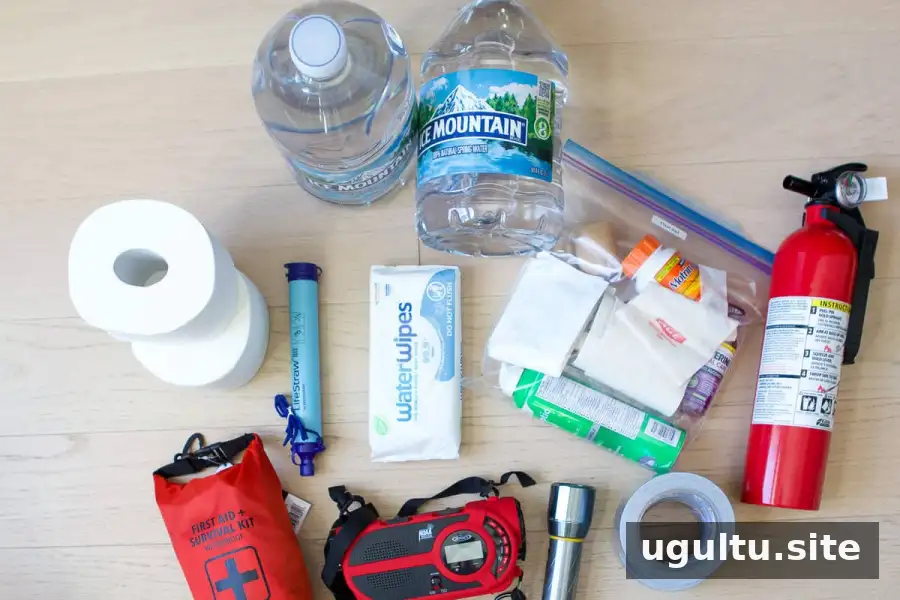
Essential Supplies for Staying at Home
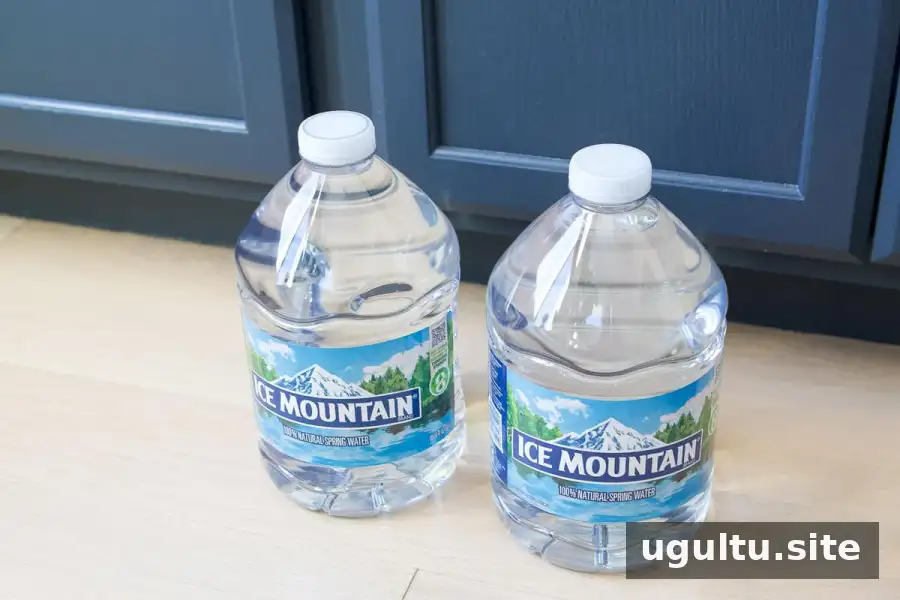
- Drinking water: Set aside at least 1 gallon per person per day for three days. Additional water may be needed for pets, hot weather, or individual health needs.
- Shelf-stable food: Include canned foods, granola bars, dried fruit, and other options suited to household dietary needs. Add a manual can opener if your food requires one.
- First aid and medicines: Gather bandages, antiseptic supplies, and suitable non-prescription medicines, including pain relievers. Follow medicine labels and dosing instructions.
- Warmth and sheltering materials: Store blankets, plastic sheeting, and duct tape. Use sheltering materials according to official instructions, and never obstruct ventilation needed by fuel-burning equipment.
- Hygiene items: Include toilet paper, hand sanitizer, menstrual products, paper towels, and trash bags.
- Protected records: Keep copies of identification, insurance details, and bank account records in secure, water-resistant storage. Make essential digital copies accessible offline.
- Lighting: Choose flashlights and keep compatible spare batteries nearby.
- Alerts and charging: Include a weather radio capable of receiving official alerts, portable phone chargers, and the necessary cables.
- Fire protection: Position an appropriate fire extinguisher where it can be reached without approaching a fire. Evacuate rather than attempting to fight a spreading fire.
- Cash: Keep small bills available for situations in which card payments are unavailable.
- Comfort and signaling: Add simple activities, such as cards or toys, and consider a whistle for each household member.
Depending on your circumstances, add plastic utensils, spare car keys, pet bowls, leashes, collars, and other daily necessities. Label containers clearly and choose a dry storage area appropriate for their contents.
Pack a Go Bag You Can Carry
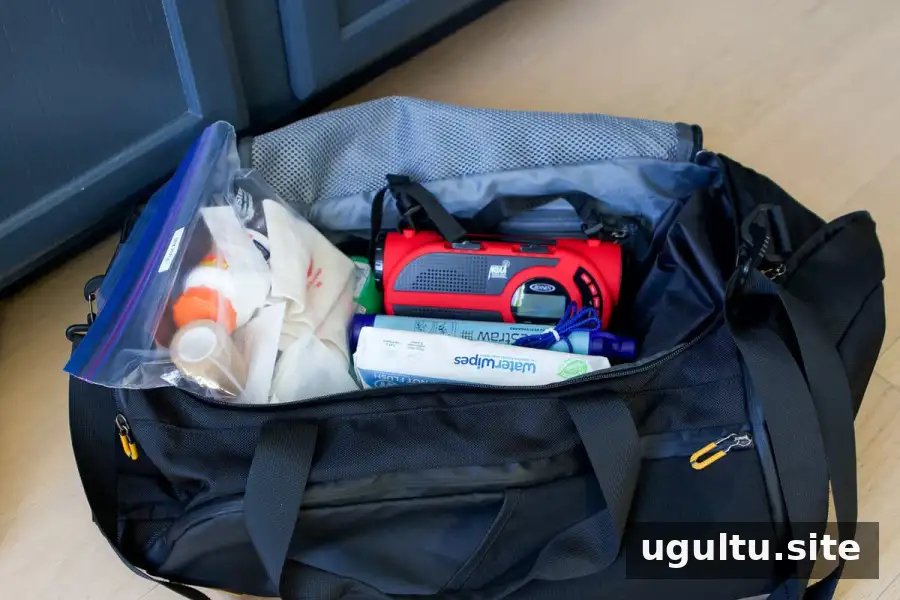
An evacuation bag should prioritize essential needs without becoming too heavy to move. Choose a manageable bag and account for each person’s ability to carry supplies.

- Bottled water and a water purification straw appropriate for its intended use
- Non-perishable food that needs little or no preparation
- First aid materials, essential medication, and suitable pain relievers
- A warm blanket
- Wet wipes, basic toiletries, and masks appropriate to the hazard
- Small-denomination cash and protected copies of important records
- A flashlight with spare batteries
- Duct tape and a multi-tool or pocket tool
- Protected copies of sentimental photographs, letters, or documents, if room remains
Water safety: A purification straw does not make every water source safe. Its capabilities depend on the product, and it should not be relied on to remove chemical contamination. Carry safe drinking water and follow local water advisories.
Try carrying the packed bag before an emergency. Remove unnecessary weight, keep medicines within their required storage conditions, and agree on an evacuation destination and a way to contact one another.
Prepare Emergency Supplies for Your Car
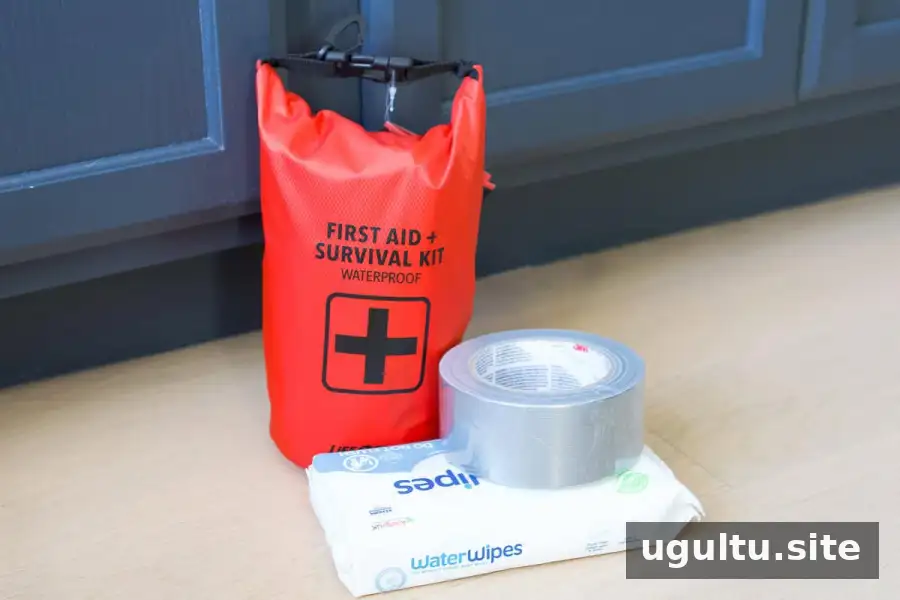
Vehicle supplies should reflect your climate, usual journeys, and passengers. Secure loose equipment so it cannot shift dangerously during travel.
- Bottled water and shelf-stable snacks
- A small first aid kit
- A warm blanket and spare clothing for each family member
- Jumper cables and a battery suitable for the vehicle, stored and used according to manufacturer instructions
- A flashlight and glow sticks
- An appropriate fire extinguisher
- Plastic ties and garbage bags
- Road flares, where permitted and safe to use
- Extra cash and securely stored copies of essential family documents
- Wet wipes and toilet paper
Inspect the kit before longer journeys and when seasons change. Vehicle temperatures can affect stored products, so check their storage limits. Follow your vehicle manual when using electrical equipment, and never ignite flares near spilled fuel or other fire hazards.
Keep Your Emergency Kits Ready to Use
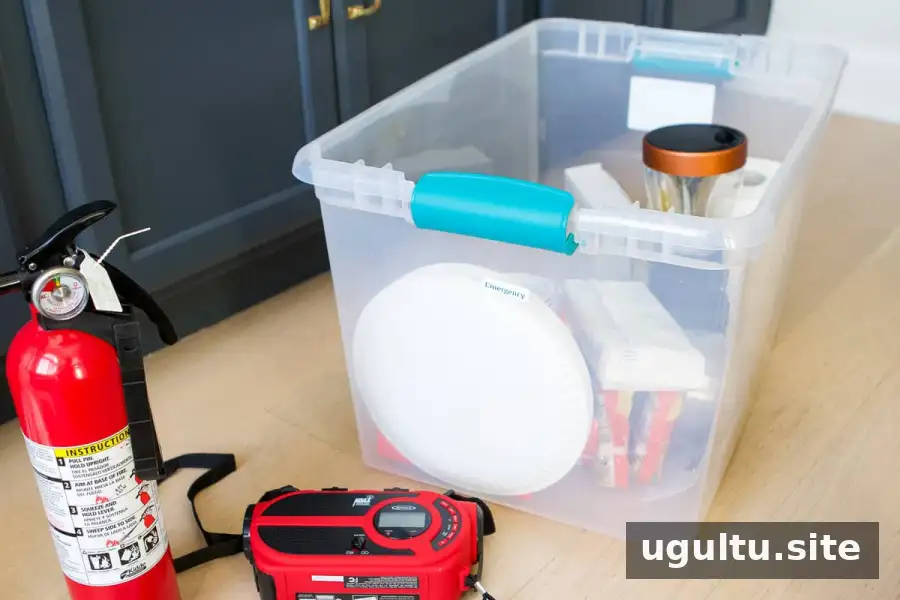
A packed kit still needs attention. Set a recurring reminder to inspect supplies, and update them whenever household circumstances change, such as a new prescription or the arrival of a pet.
- Review food, water, and medication dates, replacing supplies according to labels and relevant guidance.
- Look for leaks, damaged packaging, moisture, or other signs of deterioration.
- Test radios and flashlights, inspect batteries, and recharge portable power supplies.
- Adjust clothing and other supplies for seasonal conditions.
- Confirm that everyone knows the storage locations and can reach essential items.
Keep your inventory with the supplies and record replacements as you make them. Pairing this review with routine smoke-alarm checks can make maintenance easier to remember.
Make Preparedness a Household Routine
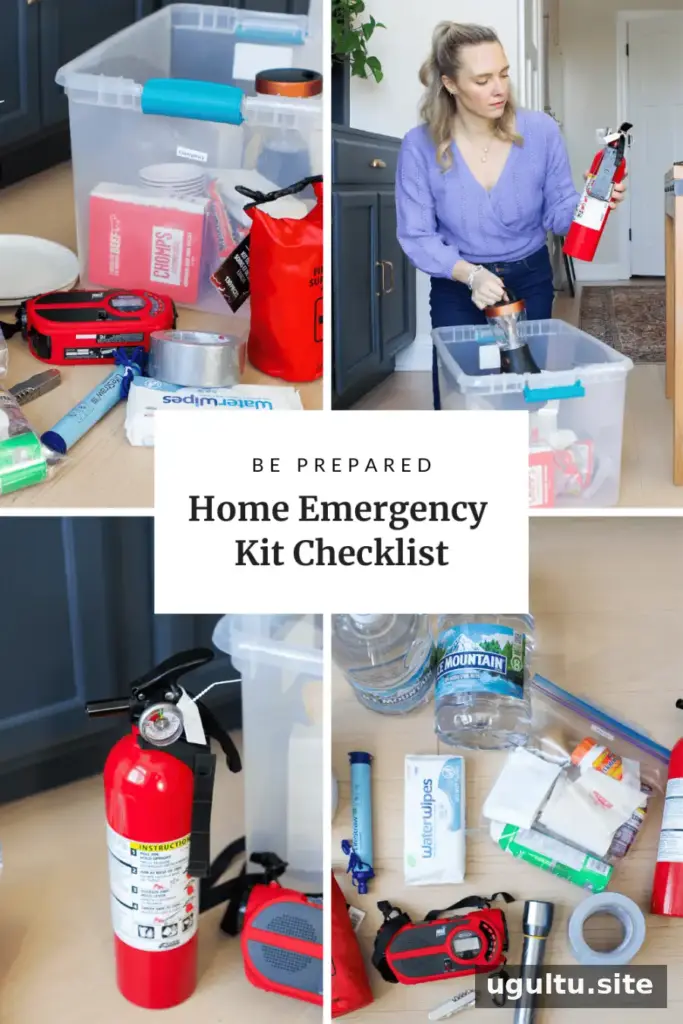
The most useful home emergency kit is accessible, current, and tailored to the people who rely on it. Prioritize water, food, lighting, first aid, and essential personal supplies, then expand your home storage, evacuation bags, and vehicle kit as resources allow.
Review local sheltering and evacuation instructions together. Identify your main water valve, gas shutoff, and electrical panel in advance, but follow official safety guidance before operating them. If gas service is shut off, have a qualified professional restore it.